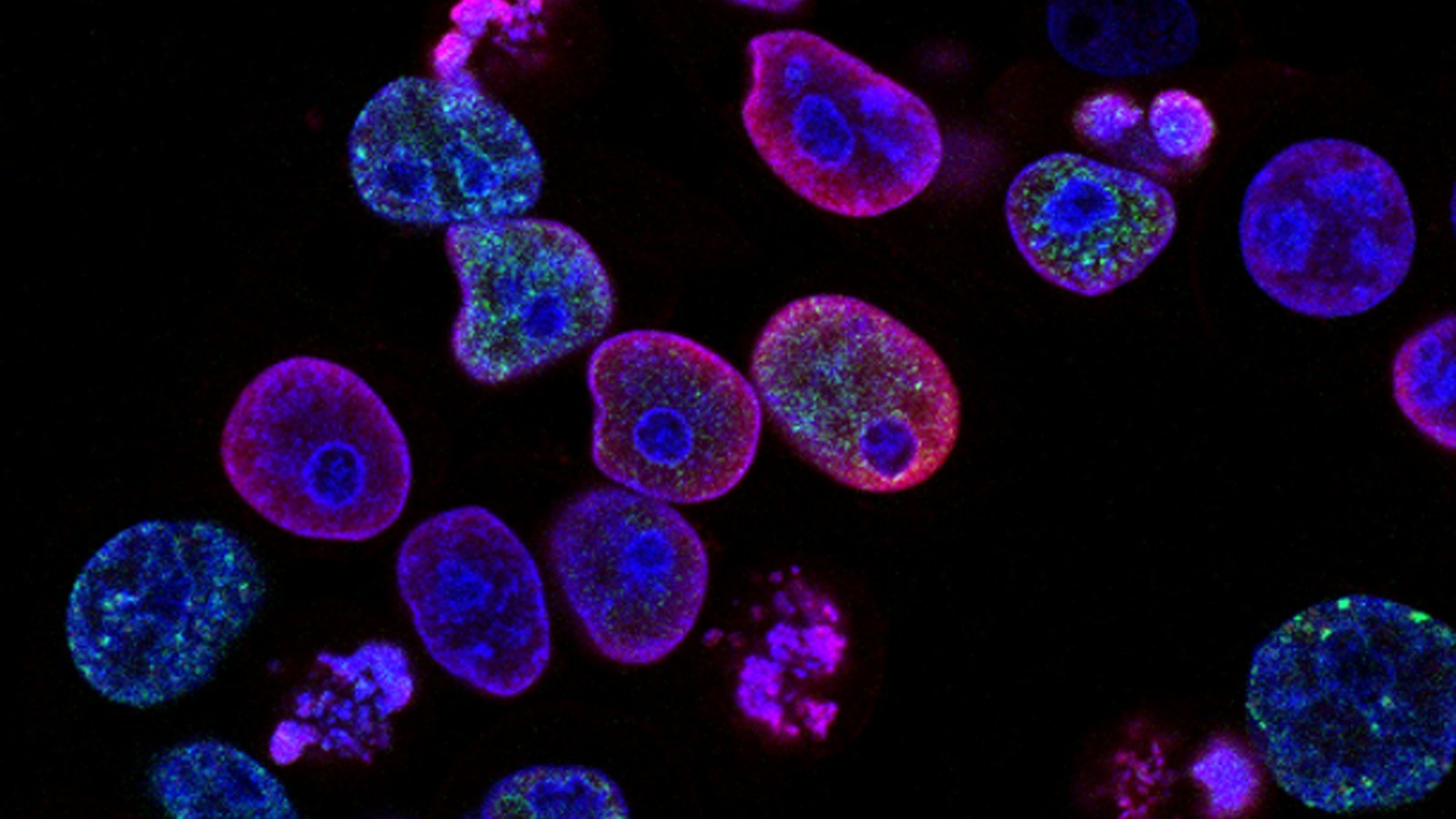
The quest to transform biological science from an observational discipline into a predictive engineering computational science achieved an unprecedented milestone in October 2026, as an international coalition of philanthropic, governmental, and frontier artificial intelligence leaders announced a coordinated $1.8 billion commitment to build the data infrastructure for the 'Virtual Cell.'
Announced by the Chan Zuckerberg Biohub alongside the U.S. Department of Energy, the National Institutes of Health, Google DeepMind, Isomorphic Labs, and Meta, the initiative represents the largest coordinated mobilization of computational and experimental resources in the history of systems biology. The coalition's core objective is the realization of a universal biological foundation model capable of simulating the dynamic mechanics of human cells in silico.
For decades, the limiting factor in artificial intelligence for biology has not been algorithmic architectures, but the profound fragmentation and noise of biological data. Unlike text corpora or synthetic mathematical proofs, biological measurements are notoriously noisy, batch-dependent, and scattered across incompatible formats. Under the Virtual Cell initiative, the CZ Biohub and NIH are deploying standardized high-throughput cryo-electron tomography (cryo-ET) and automated single-cell spatial omics pipelines to generate hundreds of billions of machine-readable biological tokens.
Computational infrastructure will be provided by the U.S. Department of Energy's Office of Science, allocating petascale and exascale compute cycles across supercomputers like Frontier at Oak Ridge National Laboratory and Aurora at Argonne National Laboratory. Technology partners Google DeepMind, Isomorphic Labs, and Meta are contributing specialized architectures derived from AlphaFold 3 and ESM-3, training multi-modal transformer ensembles capable of modeling molecular cascades from atomic protein interactions up to whole-cell organelle dynamics.
The practical implications for human medicine are staggering. Rather than spending five years conducting empirical animal trials and exploratory assays to identify drug targets, oncologists and biochemists will be able to introduce digital compounds into the Virtual Cell, simulating cellular apoptosis, metabolic shifts, and off-target toxicities within seconds.
By establishing an open, verified repository of AI-ready cellular data, the Virtual Cell coalition is constructing the computational foundation that will define therapeutic discovery, synthetic biology, and clinical medicine for the remainder of the 21st century.