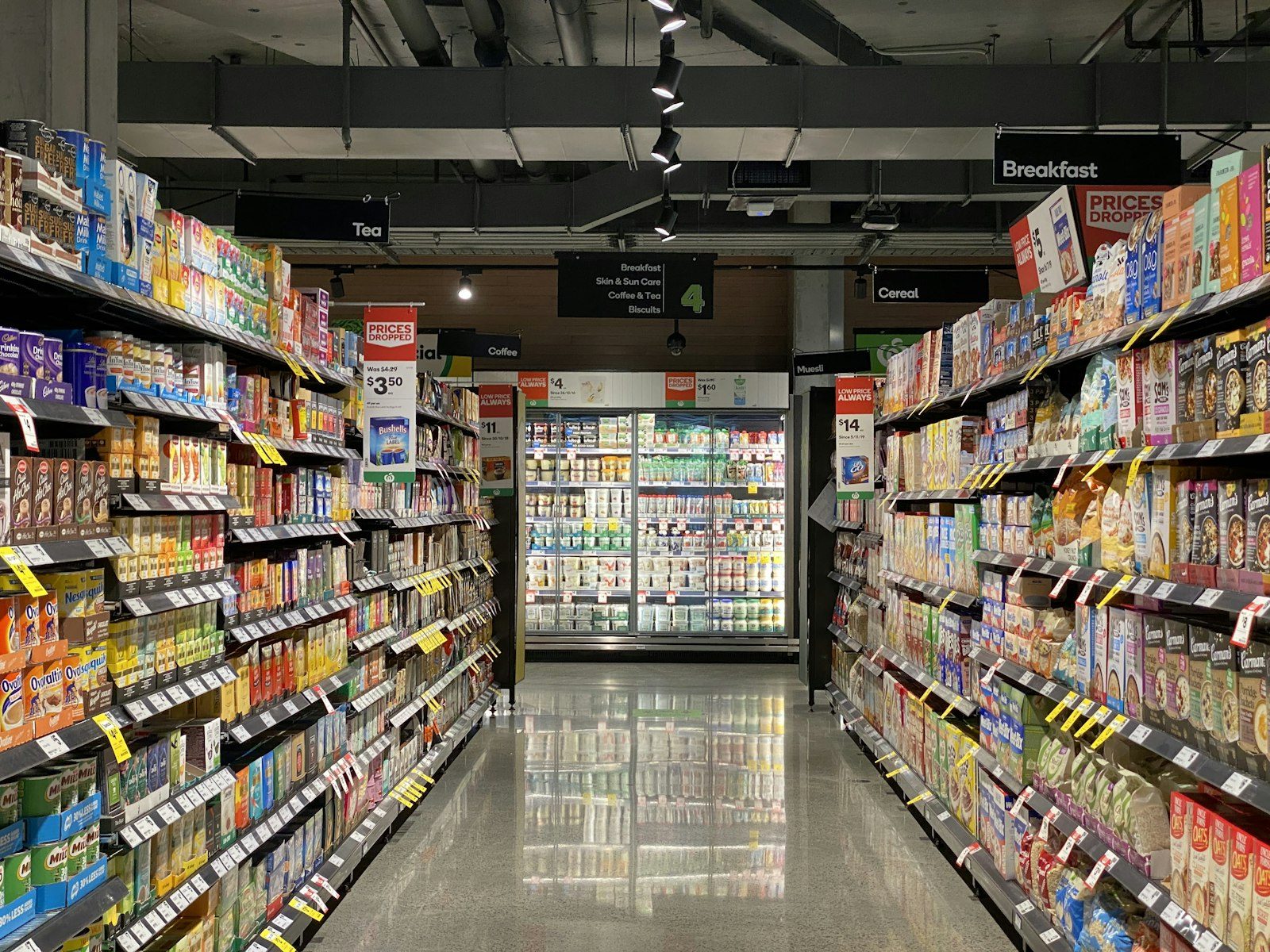
Source: BBC News coverage by Ian Aikman and Paris correspondent Hugh Schofield on October 12, 2026.
The attack exploited the remote management software that grocery chains utilize to calibrate cooling units across store networks. Under normal operating conditions, commercial freezers initiate short defrost cycles to shed ice accumulation; attackers overrode controller limits to command units into sustained maximum heating. Coopérative U reported over 100 stores hit, while Intermarché and its Netto brand suffered disruptions across 180 stores, forcing the emergency disconnection of another 100 outlets.
Carrefour confirmed that refrigeration systems in 80 of its 6,000 French stores were compromised, while Monoprix reported approximately 5 percent of its 400 locations were impacted. In the Alsace region alone, two supermarkets registered €270,000 (£228,000) in spoiled inventory, with national economic damage estimated in the tens of millions of euros.
Danfoss stated that the affected refrigeration controllers were older models whose onboard firmware could not support modern security updates, noting it had previously advised commercial clients to retire unsupported legacy hardware. European Food Commissioner Christophe Hansen publicly condemned the hack, declaring that the weaponisation of commercial food distribution networks had become an active operational reality.
Limits: The identity and technical attribution of the threat actors remain undisclosed by European intelligence agencies. It is currently unclear whether ransom demands were issued prior to execution or whether external network bridges directly exposed the Danfoss controller interfaces.