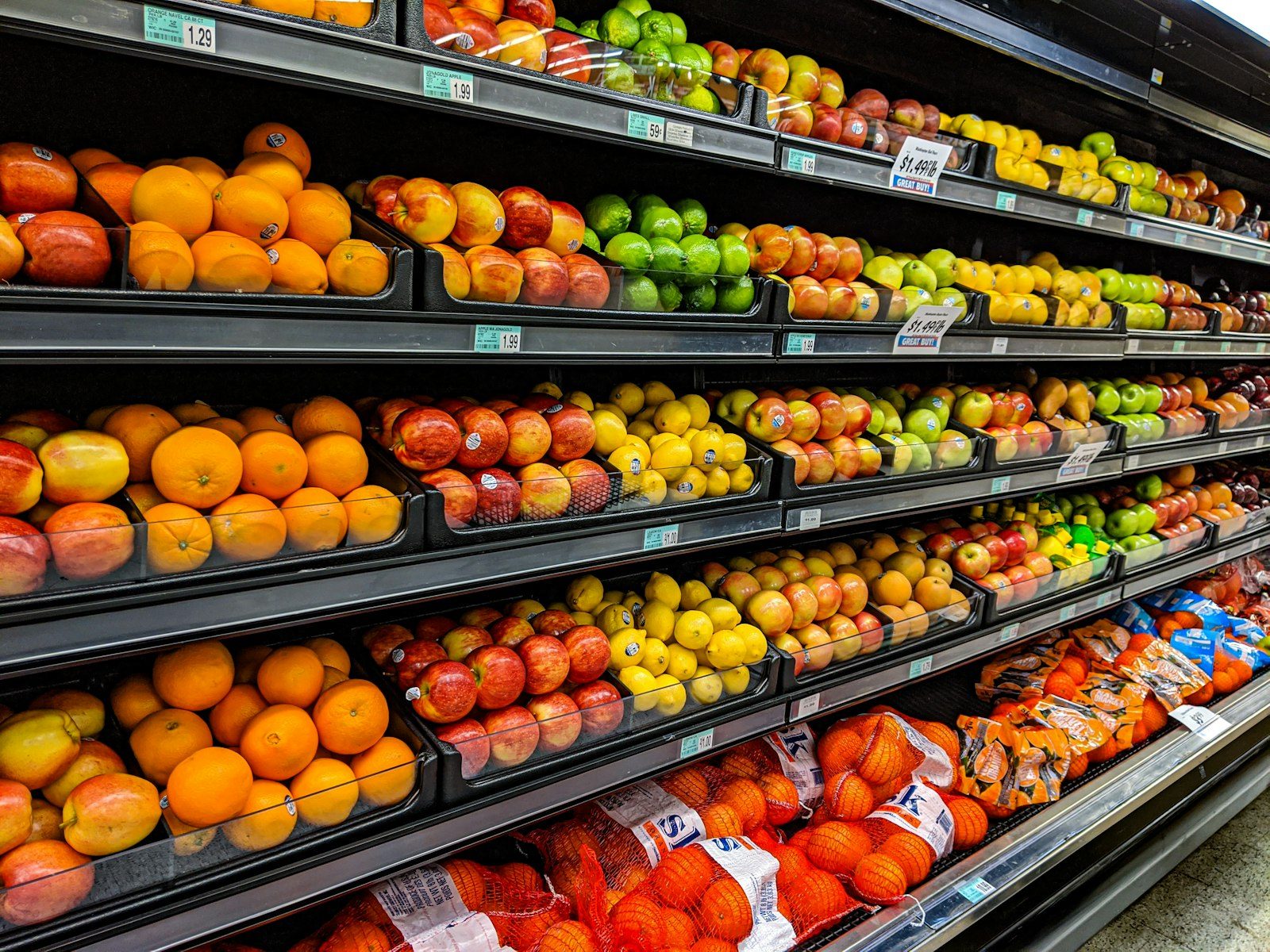
In the early hours of Monday morning, grocery retailers across seven European nations discovered that their commercial refrigeration and freezer units had been remotely compromised. Centralized building automation systems managing walk-in freezers, meat storage lockers, and retail cold displays were breached in an orchestrated operational technology cyberattack that flipped cooling systems to maximum heat, driving interior temperatures up to 50°C (122°F). The sabotage struck simultaneously at approximately 2:00 AM local time across major retail footprints in Belgium, Sweden, Finland, Ireland, Estonia, the Netherlands, and Luxembourg.
Retail workers arriving for morning shifts were greeted by thawed inventories, flooded aisles, and smoke alarms triggered by thermal stress in commercial compressor banks. Because European Union food safety regulations strictly mandate the destruction of any perishable stock that rises above 4°C, supermarket operators were compelled to condemn tens of thousands of tonnes of fresh meat, poultry, seafood, dairy products, and frozen goods.
Investigators established that the perpetrators did not penetrate individual supermarket stores independently. Instead, the intrusion breached centralized third-party refrigeration management platforms used by commercial HVAC contractors to monitor energy efficiency and compressor loads across thousands of physical locations. Sabcobel, a prominent Belgian commercial refrigeration engineering contractor, confirmed that telemetry alerts indicated abnormal setpoint overrides across client installations shortly after 1:00 AM, prompting immediate emergency dispatches to manually sever external network connections.
Confirmed affected chains include Colruyt, Delhaize, Intermarché, Carrefour, and Swedish retailer Ikea's restaurant refrigeration units in Belgium; ICA Gruppen and Coop Sverige in Sweden; Kesko food distribution centers in Finland; SuperValu independent retailers in Ireland; and Selver stores across Estonia. Stephan Moelans, chief executive of Sabcobel, explained that heating elements and defrost cycles were remotely activated simultaneously across geographically dispersed sites.
A particularly troubling hallmark of the incident is the complete absence of financial extortion. In conventional cybercrime incidents, attackers encrypt file systems and demand cryptocurrency payments via darknet negotiation portals. In this campaign, European cybersecurity authorities verified that no ransom note was delivered, no data encryption routines were executed, and no extortion channels were opened. The attackers sought purely to inflict physical damage and commercial disruption against civilian infrastructure.
European Union Commissioner for Agriculture and Food Christophe Hansen issued a statement condemning the deliberate targeting of civilian food supply chains and confirming that national computer emergency response teams are auditing shared vendor telemetry links. The incident underscores growing structural vulnerabilities in outsourced industrial facilities management, where unsegmented contractor gateways can expose physical equipment to remote disruption.