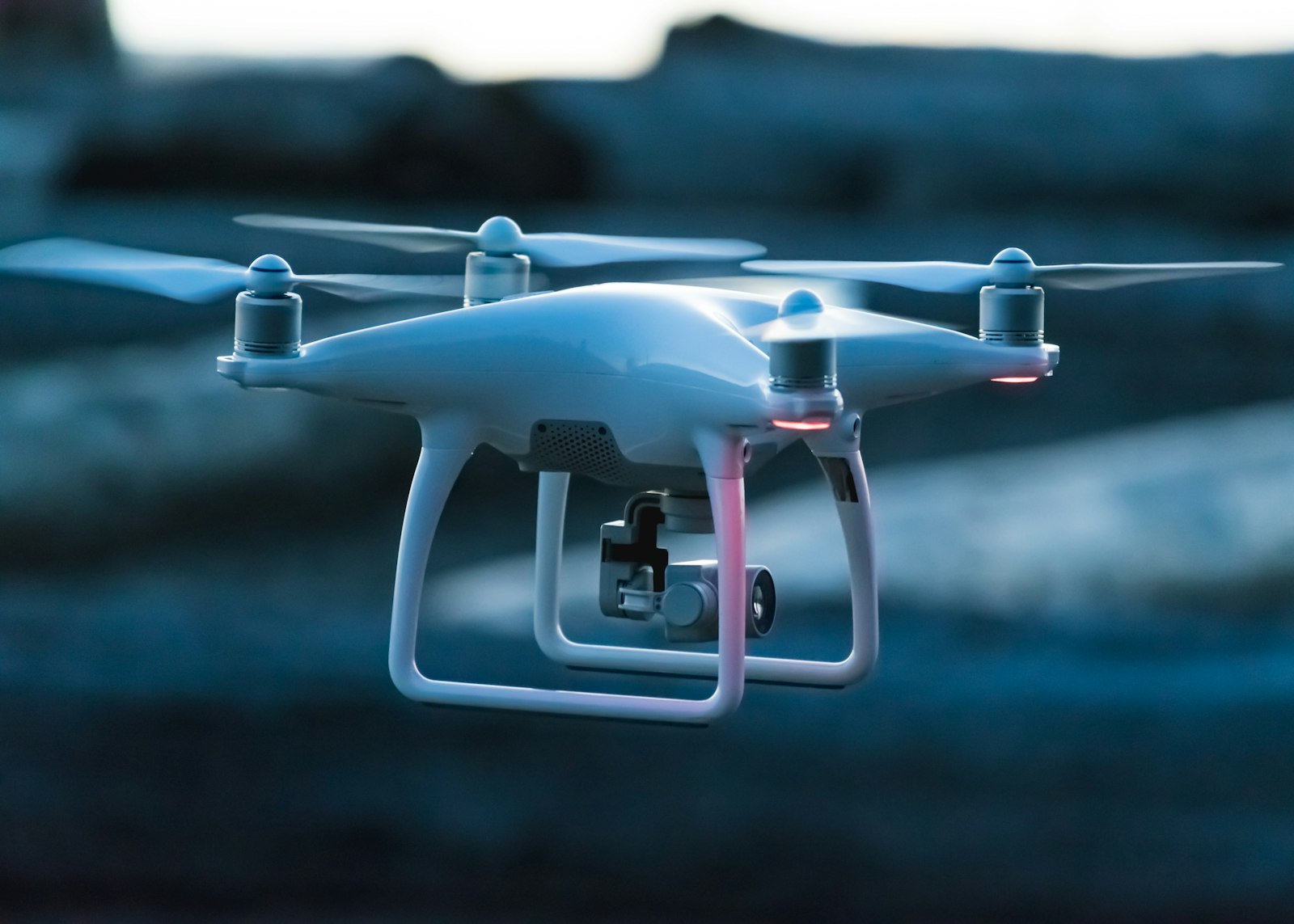
In a move that signals a tectonic shift in modern defense electronics, European defense giant Rheinmetall on September 15, 2026 announced the open-source release of BattleSuite Core. The framework comprises the onboard middleware, sensor fusion bus, and telemetry communication protocols utilized across Rheinmetall's fleet of armored combat vehicles, uncrewed ground vehicles (UGVs), and tactical loitering munition swarms.
For decades, the global defense sector has operated under strict vendor lock-in. Military prime contractors developed bespoke, highly proprietary electronic architectures that required billions of dollars and years of bureaucratic certification to update or augment with new sensor technologies. However, the rapid evolution of autonomous drone warfare and electronic countermeasures in Eastern Europe has rendered slow development cycles untenable.
BattleSuite Core bridges the gap between agile commercial robotics software and hardened military hardware. The middleware is architected on top of ROS 2 (Robot Operating System 2) Galactic and DDS (Data Distribution Service) transport layers, providing real-time, deterministic pub-sub interfaces for LiDAR, thermal cameras, radar, and acoustic gunshot detection arrays.
Crucially, the API adheres strictly to NATO's STANAG 4754 Generic Vehicle Architecture standard. By conforming to this international blueprint, BattleSuite Core allows third-party European tech startups to write situational awareness algorithms, electronic warfare countermeasures, or drone coordination routines that can deploy directly onto armored platforms like the Panther KF51 or Boxer IFV without low-level hardware re-engineering.
Dr. Björn Bernhard, Head of Rheinmetall Vehicle Systems, stated: 'Modern battlefield dominance is decided by software iteration velocity. By opening the BattleSuite API to verified academic and allied defense developers, we are transitioning from proprietary monoliths to an open, resilient ecosystem capable of deploying new autonomous capabilities in weeks rather than decades.'
The initial open-source release includes simulated hardware testbenches, sensor telemetry mocks, and ROS 2 bridging nodes, permitting academic and commercial developers to test vehicle autonomy and swarm coordination in virtual Gazebo simulation environments before live field exercises.