On September 4, 2026, Ars Technica published an in-depth analysis of NASA’s newly finalized Mars exploration blueprint, revealing a decisive shift from wheeled mobility to atmospheric flight.
For nearly three decades, beginning with Sojourner in 1997 through Spirit, Opportunity, Curiosity, and Perseverance, heavy wheeled rovers have been the workhorses of planetary science. However, wheeled rovers are inherently slow, cautious, and constrained by topography. In over three years on Mars, Perseverance has covered roughly 30 kilometers, constantly diverted by hazardous sand traps and boulders.
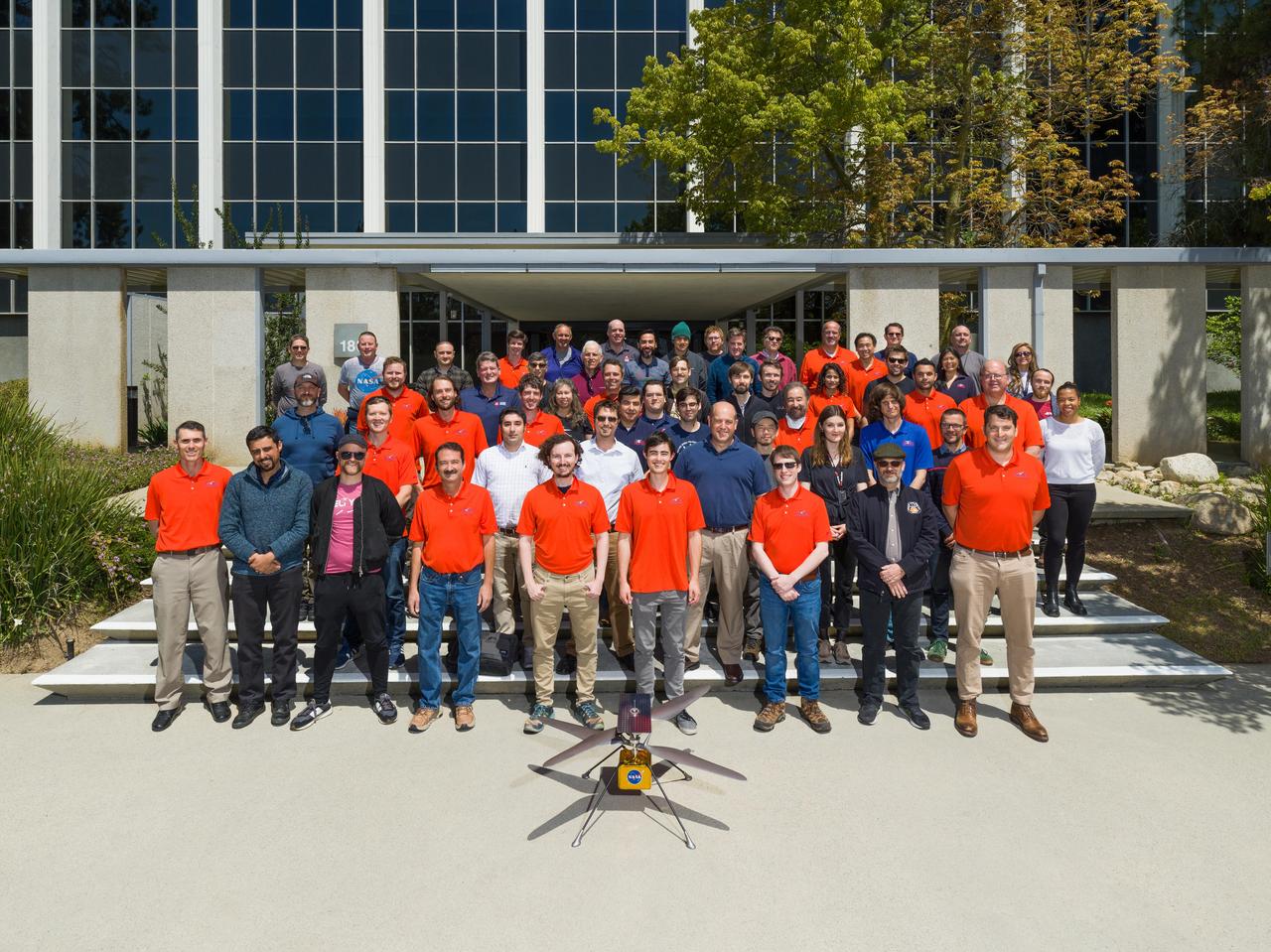
By contrast, the diminutive Ingenuity helicopter—originally designed as a 30-day technology demonstration to achieve five short flights—surpassed all expectations, executing 72 successful flights across 17 kilometers of rugged terrain before a hard landing damaged its rotor blades.
The success of Ingenuity demonstrated that the ultra-thin Martian atmosphere (less than 1% of Earth's sea-level density) is entirely viable for sustained aeronautical exploration when utilizing high-speed carbon-fiber blades rotating at 2,500 RPM. NASA’s newly approved Mars Science Hexacopter platform scales this architecture into a 25-kilogram vehicle capable of carrying a 5-kilogram scientific payload—including high-resolution multispectral cameras, subsurface radar, and a microscopic drill for sample collection.
By leaping over crater rims and exploring canyon walls in minutes, aerial rotorcraft will unlock scientific access to geological formations that rovers could never reach, heralding a new golden age of planetary exploration.