In an illuminating engineering retrospective published on November 10, former Jane Street systems engineer Michael Bacarella detailed a near-catastrophic operational incident that threatened the quantitative trading firm's primary New York City computing facility. The crisis revealed how intersecting safety automations in commercial skyscrapers can induce cascading failure modes capable of destroying entire server installations.
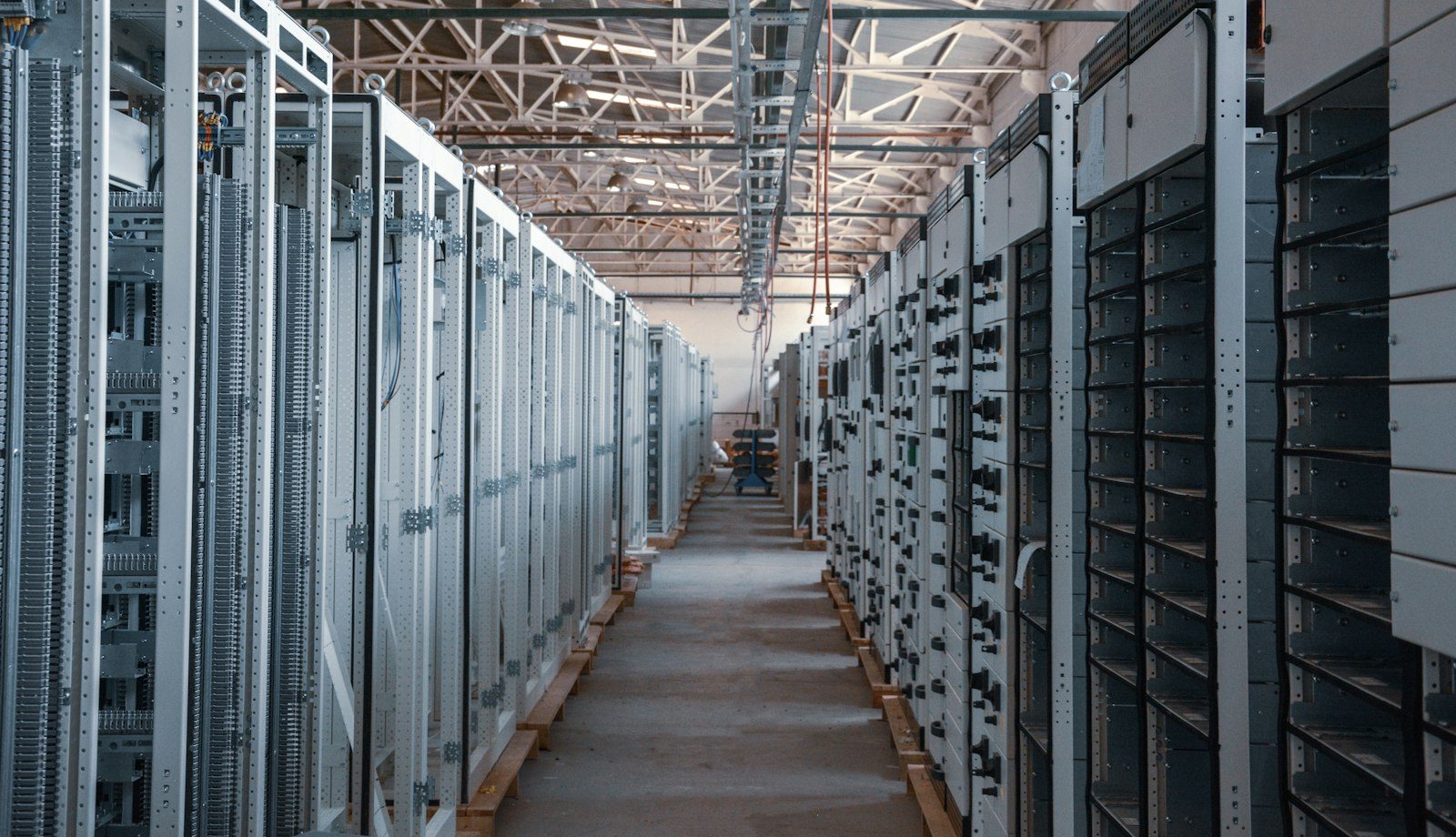
During its expansion, Jane Street maintained its core machine room on the 33rd floor of 1 New York Plaza, situated adjacent to its Manhattan trading desks. Driven by strict intellectual property controls and a risk culture inspired by submarine operational safety—insisting on physical disconnects for automated trading engines—the facility housed roughly 100 high-density server cabinets, an online uninterruptible power supply (UPS), industrial Computer Room Air Conditioner (CRAC) units, and diesel backup generation.
The crisis began after market close when contractors working in an adjoining staging room generated airborne particulate dust, triggering ceiling-mounted optical smoke detectors. In modern enterprise datacenters, fire protection relies on pre-action dry-pipe systems: detecting smoke does not immediately release water, but rather charges dry overhead pipes with pressurized water. Discharge occurs only if localized air heat melts a thermal element inside individual sprinkler heads, typically calibrated around 150°F.
Crucially, the building's building management automation was programmed to immediately de-energize the datacenter's CRAC units upon smoke detection to prevent forced air from feeding potential flames. With 100 cabinets generating immense thermal output in an unventilated sealed space, ambient temperatures began skyrocketing. If temperatures reached 150°F, the pressurized pipes would douse running trading servers in water.
Alerted by Jane Street's Hong Kong operations team who noticed climbing server temperature telemetry, Bacarella ran from his nearby apartment to the trading floor. Entering what he described as an oppressive sauna, he executed an emergency manual shutdown, running aisle by aisle to rip power cords out of server power supplies. Datacenter temperature telemetry climbed past 141°F, 142°F, and 143°F before stabilizing at 143.6°F—barely six degrees below the sprinkler activation threshold.
Because equity markets had concluded regular trading, operational downtime was negligible. However, post-incident evaluations exposed significant vulnerabilities in facility monitoring. Jane Street responded by preserving the physical server presence while developing dedicated OCaml telemetry services that continuously sample motherboard thermal diodes across all Linux nodes every minute, ensuring systemic cooling anomalies trigger alerts long before environmental sensors trip.