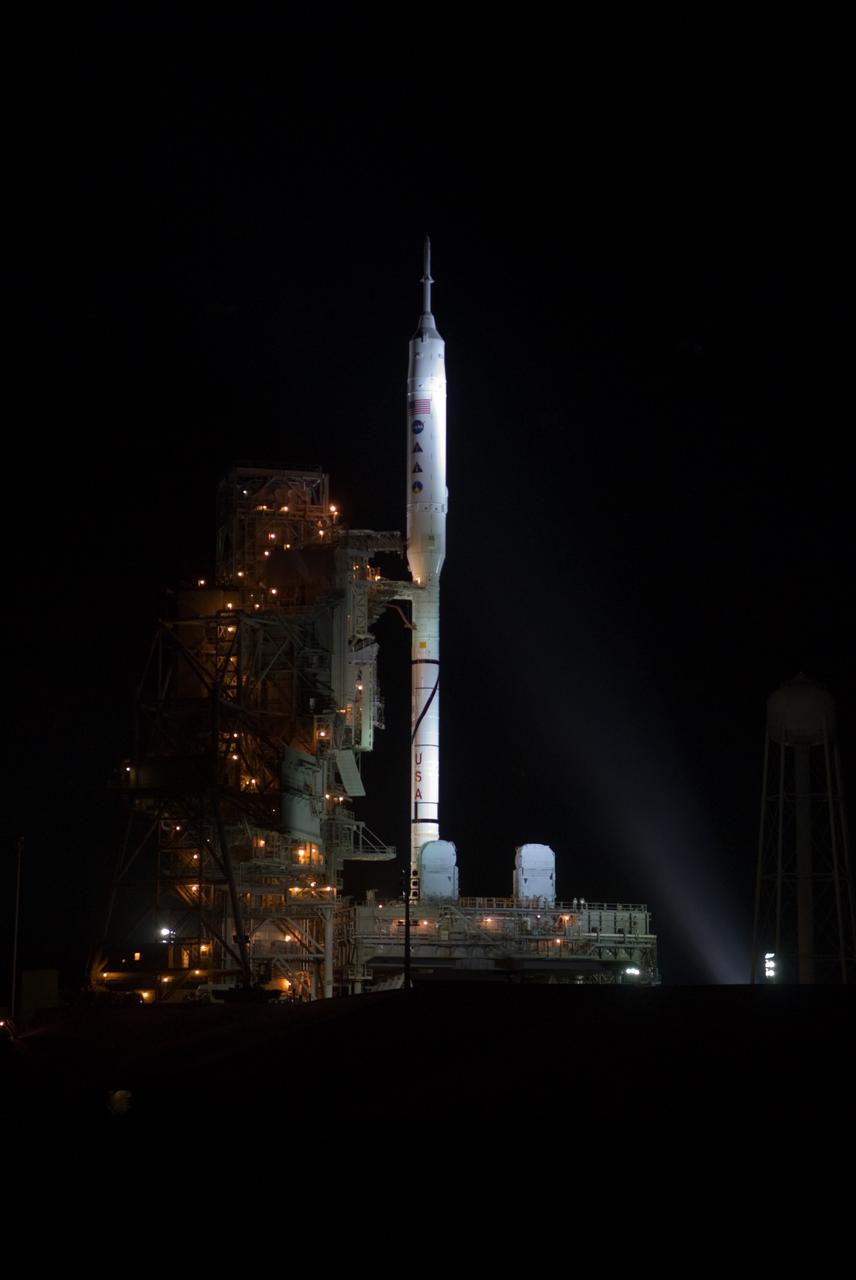
On September 5, 2026, European aerospace history was written along the rugged coast of northern Norway as Isar Aerospace’s Spectrum launch vehicle blasted off from Andøya Spaceport and successfully reached orbit.
Standing 28 meters tall with a diameter of 2 meters, Spectrum is designed to deliver up to 1,000 kilograms of payload into low Earth orbit. The vehicle is propelled by nine proprietary Aquila engines on the first stage and a vacuum-optimized Aquila engine on the second stage, utilizing an environmentally benign propellant mixture of liquid oxygen (LOX) and liquid propane.
The flight profile was executed with surgical precision. Liftoff occurred at 13:45 UTC, with main engine cutoff (MECO) and stage separation occurring at T+2 minutes and 42 seconds. The upper stage ignited smoothly, inserting the vehicle into an elliptical parking orbit before a second circularization burn delivered the three customer test payloads into their targeted 500 km sun-synchronous orbit.
The success marks a monumental relief for European policymakers and space agencies. For over three years, European telecommunications providers and earth observation missions were forced to rely almost entirely on American launch providers like SpaceX to reach orbit.
With Isar Aerospace proving the viability of flexible, responsive orbital launch from Scandinavian latitudes, Europe has finally re-established sovereign orbital access independent of foreign state apparatuses.