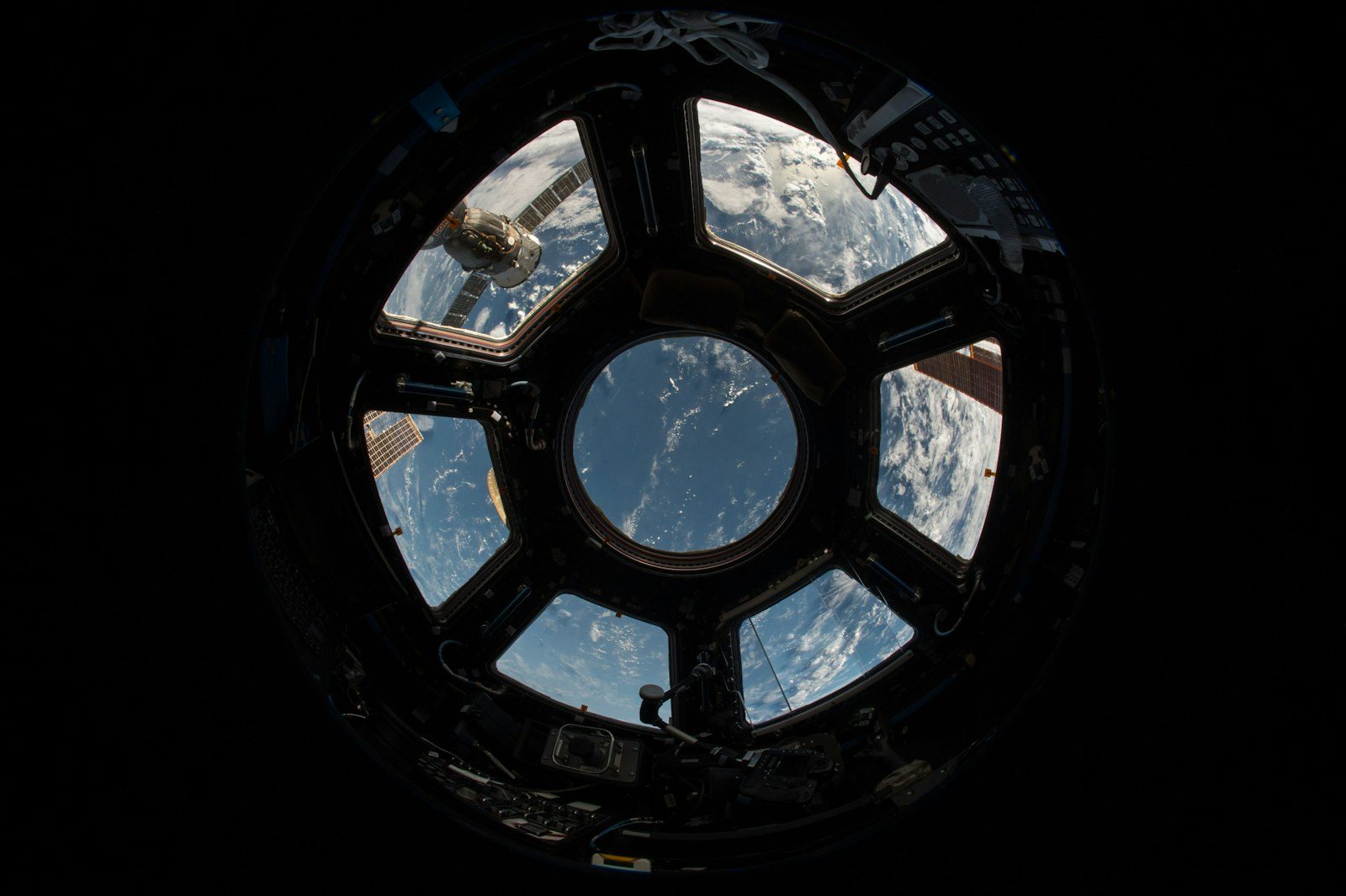
Source: Google Research announcement published October 30, 2026, by Travis Beals, Senior Director of Paradigms of Intelligence, titled 'Google receives response from Project Suncatcher prototype satellite in space'.
Project Suncatcher launched its initial prototype satellite on October 1, 2026, embarking on a multi-phase research effort to assess the viability of placing hyperscale machine learning compute directly into orbital solar environments. Commissioning procedures spanned several weeks, focusing on gradual power distribution across the satellite's primary bus, thermal radiator loops, host controller trays, and enterprise TPU accelerator boards.
During an orbital transit over northern Europe, ground engineers uplinked prompt instructions to the satellite's local Gemma 4 checkpoint. Passing within range of the ground receiving station in Svalbard, Norway, the satellite downlinked its verification payload—a three-line haiku ('Blue marble below / Data streams in silent grace / Starlight feeds my core.') followed by detailed system health diagnostics and component telemetry confirms nominal operating status across the accelerator cores.
Subsequent phases of the flight test will deliberately push the silicon across wider temperature tolerances and monitor error-correcting code (ECC) memory event rates induced by spaceborne heavy ion impacts. Demonstrating robust radiation tolerance at commercial accelerator densities is critical to validating Google's 2027 road map, which envisions coordinated multi-satellite clusters exchanging high-bandwidth tensor shards via optical free-space communication.