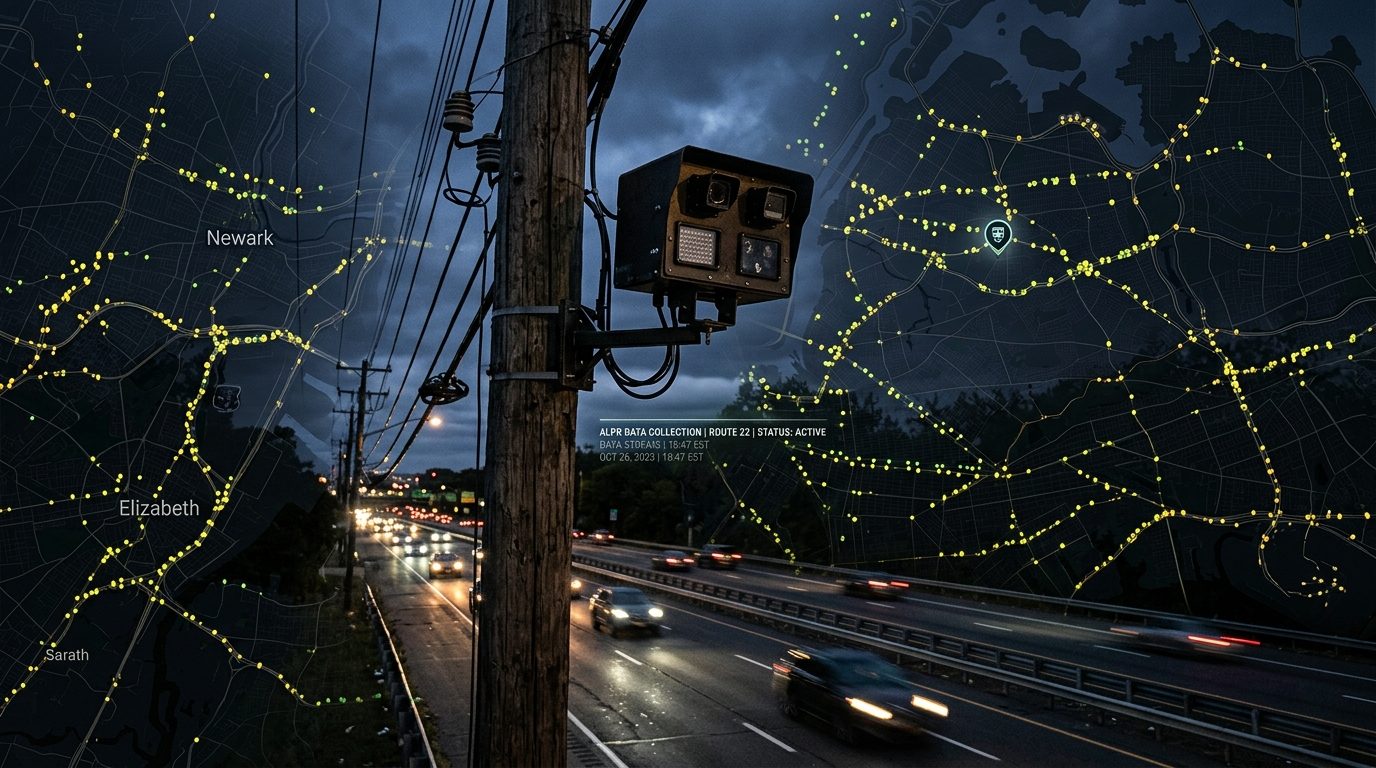
The battle between private surveillance contractors and civil liberties researchers reached a critical flashpoint on September 28, 2026, when automated license plate reader (ALPR) giant Flock Safety issued legal cease-and-desist notices demanding the takedown of an investigative web map charting more than 300,000 surveillance devices across the United States.
The comprehensive dataset—compiled over two years by independent privacy researchers and investigative reporters at The Intercept—synthesizes thousands of public records requests, municipal council contracts, open police transparency dashboards, and unauthenticated public API feeds.
For years, Flock Safety has marketed its solar-powered Falcon cameras to police departments and Homeowners Associations (HOAs) as localized crime-deterrent tools. However, the interactive map revealed the true scope of the network: an interconnected, nationwide surveillance grid capable of reconstructing the historical travel patterns of millions of drivers in real time.
Flock's legal counsel claimed the publication of precise GPS coordinates, camera viewing angles, and device hardware identifiers creates officer safety risks and compromises active criminal investigations, demanding the host remove the map or face litigation.
In response, digital rights organizations including the Electronic Frontier Foundation (EFF) mounted an aggressive defense, noting that all data points were derived from public government documents and visible public infrastructure. 'You cannot claim trade secret protection over cameras bolted to public utility poles funded by taxpayer dollars,' stated the EFF.
The controversy has already spilled into legislative halls, with lawmakers in California, Massachusetts, and Washington announcing hearings to evaluate whether privatized ALPR networks circumvent constitutional warrant requirements.