Firmus said going public would not be in the best interests of the company or its shareholders, citing market volatility and prevailing conditions. It said it will pursue capital from private markets and consider other public and private options, and will update shareholders as those progress.
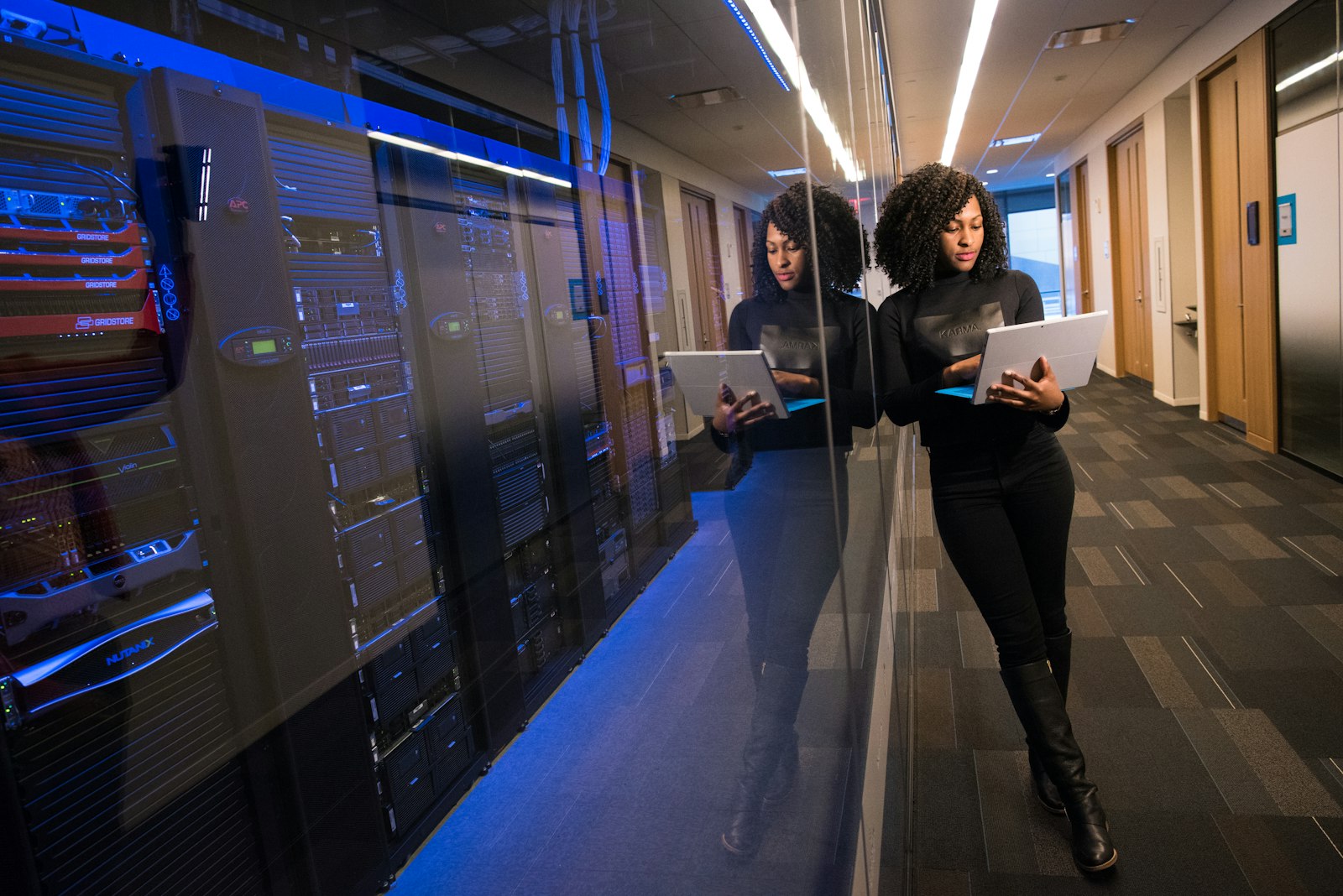
The company builds and operates liquid-cooled data centres, which it calls AI factories. Its backers include Nvidia and the investment firms Blackstone and Jane Street. Blackstone declined to comment to the BBC. Nvidia and Jane Street had been contacted but had not responded when the BBC published.
UniSuper's chief investment officer, John Pearce, gave the clearest public reason for staying out: "We think that Firmus indeed has a compelling story. It just doesn't have a compelling valuation." He also said UniSuper worried that Firmus would need to take on more debt to fund its plans, and that the Australian exchange "needs new stories" and this "could have been one if it was correctly priced".
Phillip Wool of Rayliant Investment Research told the BBC that this kind of listing tests how willing investors are to keep "ploughing money" into AI. He said buyers would be backing an early-stage business likely to borrow heavily, calling it "more like a bet on a dream".
Context from the BBC: Australia has over 160 data centres and plans for more, helped by clean energy, natural gas and land, though some residents object over environmental impact and noise. Sam Altman said earlier this year that Australia could lead in data centres if it chose to. In September he said OpenAI does not aim to list on the stock market this year. OpenAI and Anthropic are both reported to be eyeing listings that would value each at more than $1tn.
On the market backdrop, the BBC reports that Nvidia and Oracle shares fell in US trading on Thursday after reports that OpenAI's revenue was lower than previously thought. We have not verified those revenue reports.