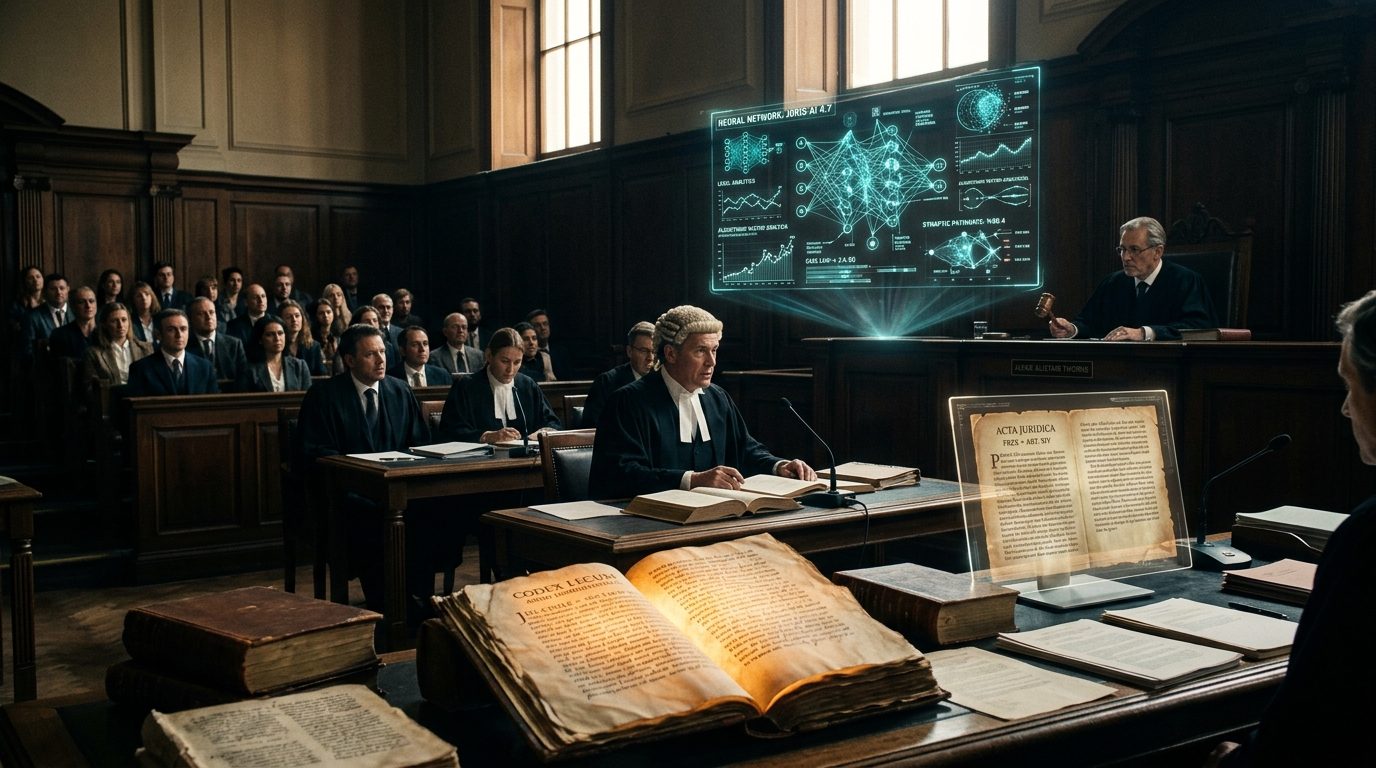
In late September 2026, the high-stakes legal battle between the creative sector and the world's most valuable technology conglomerates reached a watershed moment following the public unsealing of summary judgment briefs in the US District Court for the Southern District of New York.
The consolidated litigation—presided over by Senior US District Judge Sidney H. Stein under MDL No. 25-md-3143—unites major class actions from The Authors Guild, The New York Times, and hundreds of independent authors against OpenAI and Microsoft.
The newly unsealed exhibits contain candid, contemporaneous internal communications that lay bare the acute moral and legal anxieties within both companies as they assembled the massive training datasets for early GPT checkpoints.
In one striking email thread from Microsoft's research leadership, Director of Applied Science Brent Hecht forcefully warned colleagues that scraping the entirety of human digital expression without consent or payment was an 'astonishing theft of unprecedented proportions,' adding that history would view it as 'the largest theft of labor in human history.'
On the OpenAI side, internal Slack archives revealed engineers explicitly debating the acquisition of pirated book repositories from shadow libraries like Library Genesis (LibGen) and Books3. In one message, an engineer characterized the source dataset as 'sketchy AF,' prompting discussions over whether the company should publicly disclose the pirate corpus or quietly purchase commercial book licenses.
Crucially for the legal proceedings, plaintiffs' attorneys seized upon internal memos discussing an economic 'doom loop.' Executives acknowledged that if generative AI models saturate the market with synthetic books and news, they will bankrupt professional writers and publishers, thereby destroying the very supply of high-quality human text necessary to train future frontier systems.
Under Section 107 of the Copyright Act, courts must weigh the effect of the use upon the potential market for the copyrighted work. With internal documents demonstrating that defendants recognized the direct substitutive harm of their systems, legal experts believe OpenAI and Microsoft face an uphill battle in securing a clean fair use summary judgment.